The Importance of Natural Dog Treats: Uncover Their Benefits and Varieties for All Dogs
Natural canine treats serve an important role in supporting the overall health and well-being of dogs. They are crafted from natural ingredients that provide various health benefits, from supporting immune health to improving digestive health. With numerous options available, dog owners can find treats that cater to their pets' individual requirements. However, the range of dog treats can be overwhelming. Knowing their different types and advantages is essential for making informed choices about canine nutrition.
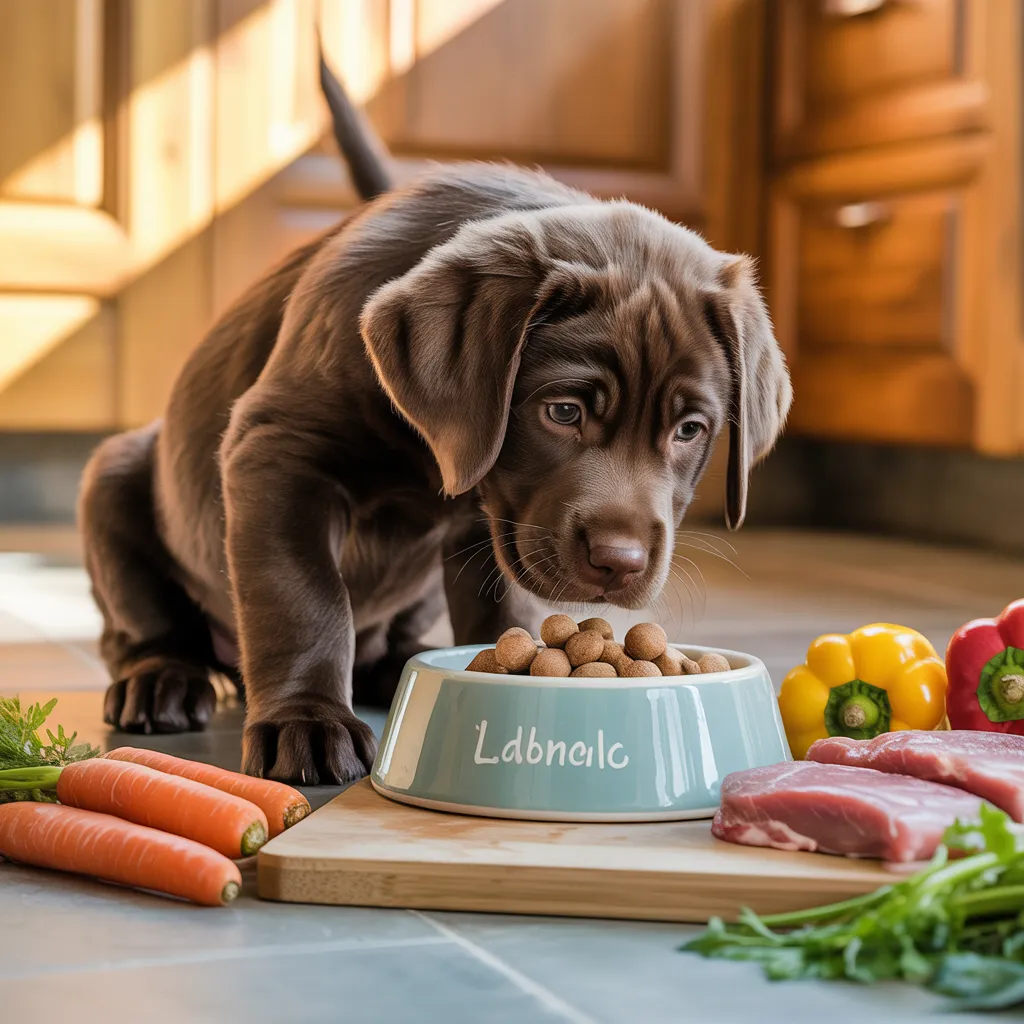
The Wellness Benefits of Natural Dog Treats
Wholesome dog treats deliver many notable health benefits that may improve a canine's general wellness. These treats, made from wholesome ingredients, frequently include vital vitamins and minerals that support a dog's immune system and promote healthy skin and coat. Compared to heavily processed treats, wholesome treats generally contain minimal additives and preservatives, reducing the risk of allergic reactions or digestive issues.
In addition, many natural treats are abundant in antioxidants, which can work to reduce oxidative stress and support longevity. The inclusion of natural fibers aids digestion, so that nutrients are efficiently absorbed. Furthermore, select natural ingredients, such as pumpkin or sweet potatoes, can contribute to weight management by providing low-calorie alternatives that fulfill cravings.
Different Types of Natural Dog Treats and Their Benefits
A wide range of natural dog treats are available, all delivering unique benefits designed for different canine needs. Dried meat treats, often prepared with beef or chicken, provide high protein and essential nutrients, making them perfect for active dogs. Dental chews, created using natural ingredients, support dental wellness by reducing plaque and tartar buildup. Dehydrated fruits and vegetables, such as blueberries and carrots, are packed with vitamins and antioxidants, supporting overall wellness. Grain-free treats cater to dogs with food sensitivities, supplying safe options without common allergens. Additionally, single-ingredient snacks, like sweet potato chews, provide a wholesome treat experience with minimal processing. For dogs needing weight management, reduced-calorie treats can meet snack needs without affecting wellbeing. Every treat variety fulfills a distinct role, confirming that dog owners can identify the best options for their pets' individual dietary and health needs.
Selecting the Ideal Natural Dog Treats for Your Dog
When picking organic dog treats, it is crucial to keep in mind the dietary needs of your dog to ensure their overall health. Evaluating the quality of ingredients can also greatly influence the nutritional value of the snacks. Furthermore, choosing flavors the dog finds appealing can boost their overall satisfaction.
Account for Dietary Restrictions
Choosing the right natural dog treats requires careful consideration of dietary restrictions, as each dog has unique nutritional needs. Many dogs may have allergies to certain ingredients, such as grains, dairy, or specific proteins. For these pets, grain-free or limited-ingredient treats can be a better option. Additionally, dogs with health conditions, like diabetes or obesity, may need low-calorie or low-sugar treats to support their health. Knowing a dog's age, size, and activity level is also important, as these factors influence their dietary requirements. Speaking with a veterinarian can deliver valuable insights into suitable options. By staying aware of these dietary restrictions, pet owners can identify treats that promote their dog's overall well-being and health.
Assess Ingredient Quality
Recognizing dietary limitations forms the foundation for evaluating ingredient quality in natural dog treats. Pet parents should seek out treats prepared with wholesome, recognizable components, including meats, fruits, and vegetables. It is important to eliminate artificial additives, preservatives, and fillers, since these can adversely affect a dog's health. Carefully examining ingredient labels is crucial; the first few ingredients should ideally be high-quality protein sources. Additionally, sourcing treats from reputable brands that adhere to strict manufacturing standards can guarantee better ingredient integrity. Endorsements from reputable organizations can further instill confidence in a product's quality. In the end, choosing natural dog treats with limited processing and clear ingredient sourcing promotes a dog's nutritional requirements and general well-being.
Select Appropriate Flavors
How can pet owners confirm they choose the right flavors for natural dog treats? Knowing a dog's taste preferences is essential. Monitoring their responses to a variety of foods can offer clues about their favorites, such as chicken, beef, or peanut butter. Additionally, considering breed and age can help tailor choices; certain dogs tend to favor bolder flavors, while others may lean toward more subtle tastes.
Checking ingredient labels is essential, as natural snacks containing real meat or fruits are frequently more attractive to dogs. Pet parents should also take care to consider food allergies when selecting flavors. Experimenting with different treats can create a positive experience, ultimately leading to healthy snacking habits. Picking the right flavors confirms that dogs not only relish their treats but also obtain meaningful nutritional benefits.
How to Create Homemade Natural Dog Treats
Making homemade natural dog treats can be a rewarding experience for dog owners. By incorporating straightforward ingredients, such as wholesome peanut butter and oats, one can easily whip up tasty treats that dogs will adore. This method not only guarantees quality but also opens the door to creativity in crafting recipes.
Simple Ingredients To Use
Crafting homemade natural natural dog treats begins with sourcing pure, high-quality elements that promote wellness and taste. Wholesome grains like brown rice and oats offer a nutritious base, while natural fruits such as fresh apples and blueberries add natural sweetness and antioxidants. Nutritious vegetables like sweet potatoes and carrots deliver fiber and essential vitamins. Nutritious fats, including peanut butter or coconut oil, boost palatability and energy. Moreover, using eggs can add protein content and bind the ingredients together. Aromatic herbs like natural parsley can freshen breath and add a touch of flavor. Through the use of these natural ingredients, canine owners can ensure their four-legged friends receive treats that are both delicious and supportive of their overall health.
Easy Recipe Ideas
Creating homemade natural dog treats can be both straightforward and fulfilling, especially when using the wholesome ingredients previously discussed. One easy recipe involves combining one cup of whole wheat flour, half a cup of rolled oats, and half a cup of unsweetened applesauce. Once these ingredients are combined into a dough, it can be rolled flat and cut practical advice into desired shapes. Another popular option is peanut butter treats, made by blending one cup of peanut butter with one cup of pumpkin puree and two cups of oats. After combining, the mixture can be rolled into balls and baked at 350°F for approximately 20 minutes. These easy recipes not only provide health benefits but also allow for customization based on a dog's preferences.
Which Myths About Natural Dog Treats Can You Disregard?
What misunderstandings about natural dog treats remain common among pet owners? Numerous pet owners assume that natural treats do not offer the same nutritional content as commercial alternatives. Nevertheless, this assumption is commonly mistaken; numerous natural treats contain an abundance of essential nutrients that deliver meaningful health advantages to dogs. A further widespread misconception is that natural treats invariably cost more. Though some selections can be more costly, a variety of reasonably priced natural treats are on the market that preserve quality. Furthermore, many pet owners tend to believe that natural treats are only intended for dogs suffering from allergies or sensitivities. In truth, these treats can provide benefits to every dog, supporting general well-being. To conclude, some owners incorrectly suppose that all natural treats are completely devoid of additives and preservatives, which is not consistently true. As a result, it is essential for pet owners to thoroughly investigate and choose premium natural treats that satisfy their pet's nutritional requirements while steering clear of these common misconceptions.
How to Incorporate Natural Dog Treats Into Your Dog's Diet
How can pet owners seamlessly introduce natural dog treats into their dogs' diets? A slow and steady approach is highly recommended. At first, they should substitute a small part of their dog's everyday treats with natural choices, keeping an eye out for any unwanted responses. This helps to guarantee the dog's digestive system adapts comfortably.
Next, pet owners can explore a wide array of natural treats, such as freeze-dried meats, fruits, and vegetables, to identify their pet's tastes. Adding these snacks during learning sessions improves the pet's learning experience while supporting positive behavior.
Additionally, dog owners should be mindful of serving sizes, confirming that treats do not exceed 10% of the dog's daily caloric intake. Routinely speaking with a vet can give important advice suited to the pet's specific dietary needs. By following these steps, pet owners can properly include healthy treats, enhancing total health and contentment for their four-legged friends.

Popular Questions We Receive
Is the Cost of Natural Dog Treats Higher Than Commercial Options?
Natural dog treats tend to cost more than commercial options as a result of premium ingredients and elevated production standards. Many pet owners weigh the health advantages, finding the expense justified for the sake of their dogs' health and well-being.
Do Natural Dog Treats Help With Particular Health Problems?
Natural dog treats can indeed support specific health issues. They often contain wholesome ingredients that promote digestion, reduce allergies, and enhance overall well-being, making them an excellent option for tackling a range of canine health problems efficiently.
How Long Can Natural Dog Treats Be Stored?
Natural dog treats usually have a shelf life of anywhere from six months to a full year if stored properly in a cool, dry location. Proper sealing and avoiding moisture helps maintain their freshness, keeping their nutritional value intact for your dog.
Are There Any Allergic Reactions to Be Aware of With Natural Treats?
Yes, dogs can have allergies to specific natural treats. Common allergens include chicken, beef, dairy, wheat, and certain fruits or vegetables. Monitoring for indicators like itching or gastrointestinal issues is essential for identifying and managing the condition.
Are Natural Dog Treats Safe for Puppies?
Puppies are able to safely consume natural treats for dogs, as long as they are suitable for their age and free of harmful ingredients. These snacks can encourage proper development, but careful moderation and ingredient selection are key to prevent digestive problems.